Interventional Cardiology
Interventional Cardiology is a specialized branch of cardiology that focuses on diagnosing and treating heart conditions using minimally invasive procedures. These treatments are performed using small catheters inserted through blood vessels, allowing doctors to correct heart problems without the need for major open-heart surgery. Interventional cardiology plays an important role in managing various heart diseases, congenital heart defects, and blood vessel blockages, ensuring safer treatment and faster recovery for patients.
Under the expert care of Dr. Rajarshi Ghosh, patients receive advanced interventional cardiology services for accurate diagnosis and effective treatment of cardiovascular conditions. These procedures are designed to restore normal blood flow, improve heart function, and reduce the risks associated with untreated heart diseases.
What is Interventional Cardiology?
Interventional cardiology uses catheter-based techniques to treat heart conditions through small incisions, usually in the arm or groin. A thin flexible tube called a catheter is guided through the blood vessels to the heart using advanced imaging technology. This approach allows cardiologists to diagnose and treat heart conditions with greater precision and minimal discomfort.
This modern treatment method reduces hospital stays, lowers surgical risks, and allows patients to return to normal activities much sooner compared to traditional surgery.
Common Interventional Cardiology Procedures
Interventional cardiology includes a range of procedures designed to treat structural and functional heart problems. Some commonly performed procedures include:
Cardiac Catheterization – A diagnostic procedure used to evaluate heart function and detect blockages in coronary arteries.
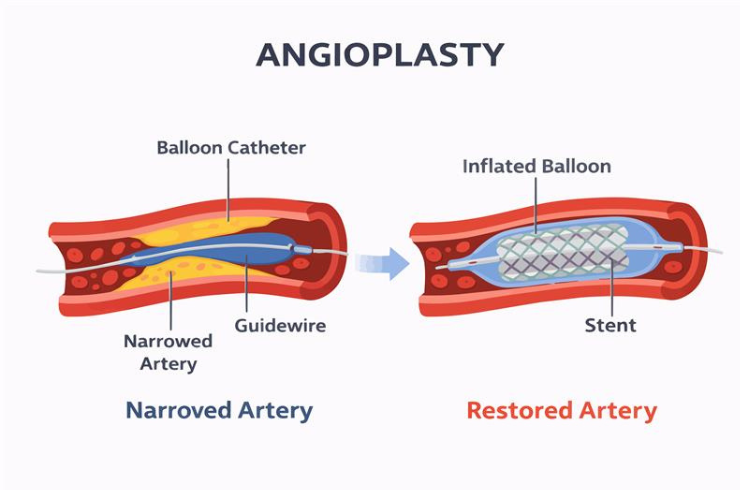
Angioplasty and Stent Placement – A procedure used to open narrowed or blocked arteries and improve blood flow to the heart.
Device Closure for Heart Defects – Minimally invasive treatment for conditions like ASD (Atrial Septal Defect) and PDA (Patent Ductus Arteriosus).
Balloon Valvuloplasty – A technique used to treat narrowed heart valves by widening them using a balloon catheter.
These procedures help treat heart conditions effectively without requiring major surgery.
Benefits of Interventional Cardiology
Interventional cardiology offers several advantages for patients requiring heart treatment:
Minimally invasive procedures with smaller incisions
Reduced recovery time and shorter hospital stays
Lower risk of complications compared to open-heart surgery
Improved heart function and blood circulation
Advanced Heart Care
With modern medical technology and specialized expertise, interventional cardiology plays a crucial role in treating cardiovascular diseases and congenital heart conditions. Early diagnosis and timely intervention help patients maintain better heart health and prevent serious cardiac complications.