Septal defects in children are heart problems present at birth. These defects mean there is a hole in the wall (septum) that separates the heart’s chambers. Early diagnosis of septal defect in children is very important. It helps doctors treat the problem before it causes serious health issues. Parents often wonder how to diagnose septal defect in children or what signs to look for. Understanding the signs of septal defect in kids and knowing about pediatric heart defect diagnosis can help families act quickly.
What Is a Septal Defect in Children?
A septal defect is a hole in the heart’s wall. This wall divides the left and right sides of the heart. In children, there are two main types:
Because of these holes, blood can flow in the wrong direction. As a result, the heart works harder. Over time, this can cause health problems if not treated. According to the Centers for Disease Control and Prevention (CDC), septal defects are among the most common heart defects in children.
Common Symptoms and Warning Signs
Many children with septal defects may not show symptoms at first. However, some signs can help parents notice a problem early. For example, you may see:
Still, not all children have clear symptoms. Therefore, regular check-ups are important for early detection.
Causes and Risk Factors
Doctors do not always know the exact cause of septal defects in children. Yet, some factors can increase the risk:
Even though these risks exist, many children with septal defects are born to healthy parents. Therefore, it is important to be aware of the signs and seek help if needed.
How Doctors Diagnose Septal Defects in Children
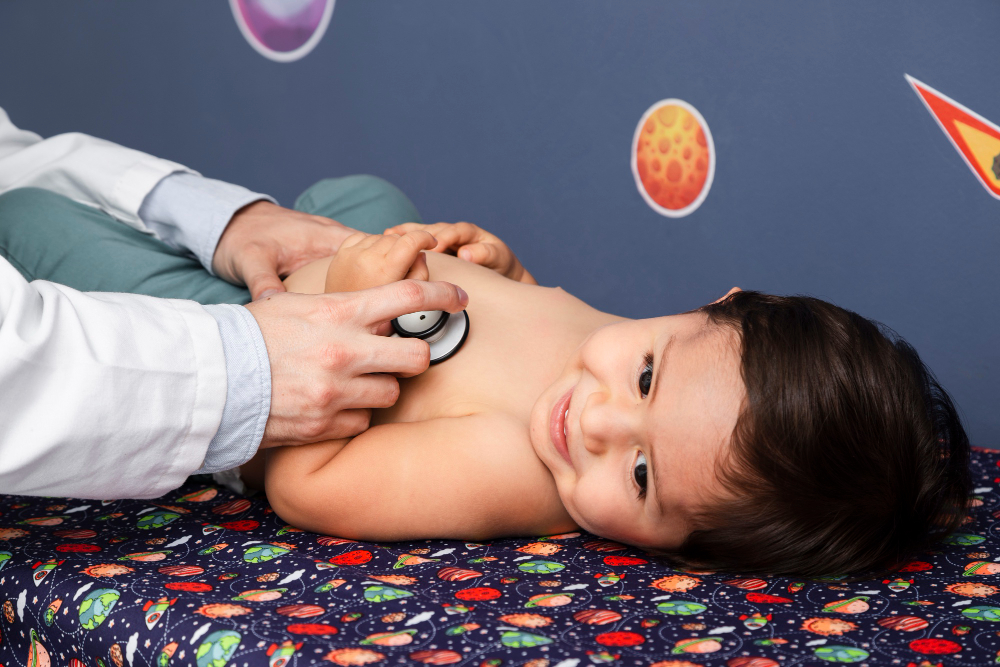
Doctors use several steps to diagnose septal defects in children. First, they ask about the child’s health and family history. Next, they perform a physical exam. During this exam, the doctor may listen for a heart murmur. If there are signs of a problem, the doctor will order tests. Because early diagnosis is key, parents should share any concerns with their child’s doctor.
Diagnostic Tests and Procedures
To confirm a septal defect, doctors use special tests. These tests help them see the heart’s structure and function. Common diagnostic tests include:
Because these tests are safe and painless, they are often used in children. The results help doctors plan the best treatment.
When to Seek Medical Advice
If you notice any warning signs in your child, you should contact your doctor right away. For example, if your child has trouble breathing, poor feeding, or turns blue, seek help. Even if symptoms are mild, it is better to check early. Early diagnosis of septal defect in children leads to better outcomes. In addition, regular check-ups can catch problems before they become serious.
Frequently Asked Questions
Consult a pediatric cardiologist at Dr. Rajarshi Ghosh‘s clinic for personalized guidance on septal defect diagnosis in children.