Introduction
Heart checks in children are special tests that help doctors find heart problems early. These checks are important because some heart issues may not show clear signs at first. Early detection of heart problems in kids can lead to better treatment and healthier lives. For parents, understanding children’s heart health is key. This guide explains why heart checks matter, what to expect, and how to keep your child’s heart healthy.
Why Heart Checks Are Important for Children
Many heart problems in children can be present from birth or develop as they grow. Sometimes, these issues are mild. However, some can be serious if not found early. Pediatric heart screening helps doctors spot problems before symptoms appear. Early heart checkup for kids can:
According to the American Heart Association, early checks can save lives and improve long-term health.
Common Symptoms and Warning Signs
While many children are healthy, some may show signs of heart problems. It is important for parents to watch for these warning signs. For example, you should contact your doctor if your child has:
Additionally, if there is a family history of heart disease, let your doctor know. Early detection of heart problems in kids is easier when parents notice these signs.
How Heart Checks Are Performed
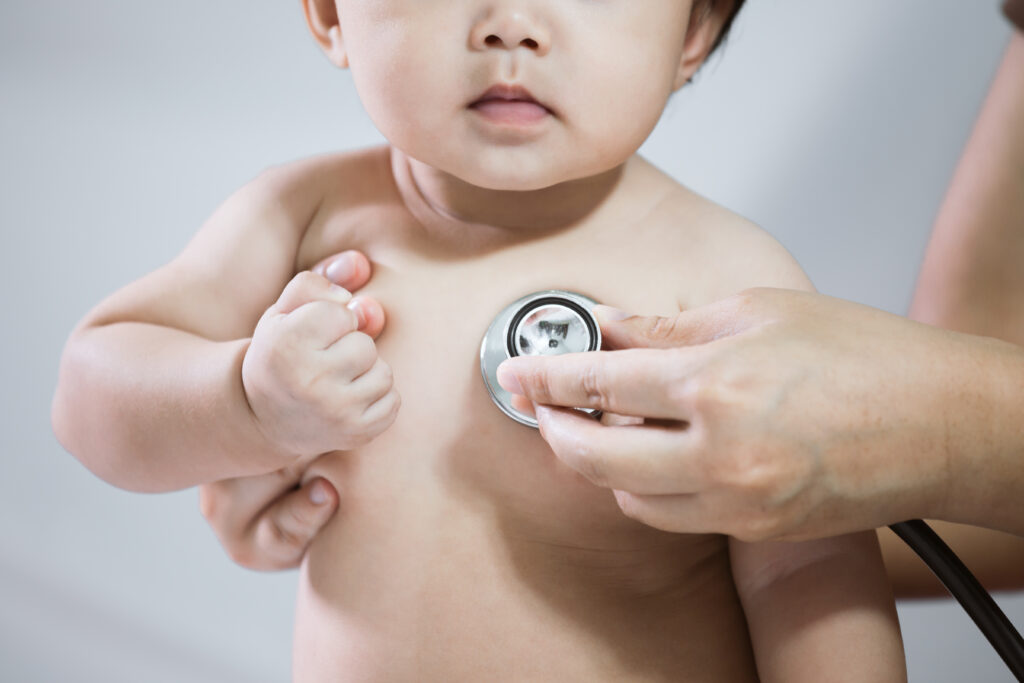
Doctors use several safe and painless methods to check a child’s heart. During a pediatric heart screening, your child may have:
Most tests are quick and do not hurt. Sometimes, more tests are needed if the doctor finds something unusual. Heart checks in children are designed to be gentle and safe.
When Should a Child Get a Heart Check?
Not every child needs a heart checkup for kids right away. However, certain situations call for screening. For instance, your child may need a heart check if:
Always talk to your pediatrician if you have concerns. Early heart checks in children can prevent future problems.
Preparing Your Child for a Heart Check
Getting ready for a heart check can help your child feel calm. First, explain to your child that the tests are safe and will help keep them healthy. You can also:
Most children do well during heart checks, especially when parents offer support and reassurance.
Prevention and Lifestyle Tips for Heart Health in Children
While some heart problems cannot be prevented, healthy habits can lower risks. For example, you can help your child by:
Additionally, regular checkups with your pediatrician support children’s heart health. Good habits started early can last a lifetime.
Conclusion and Call-to-Action
In summary, heart checks in children are important for finding problems early and keeping kids healthy. If you notice warning signs or have a family history of heart disease, talk to your doctor. Early pediatric heart screening and healthy habits can make a big difference. Consult Dr. Rajarshi Ghosh for personalized advice on heart checks in children.